Custom Tongue Scraper Manufacturer: Branding, Printing, and Packaging Solutions
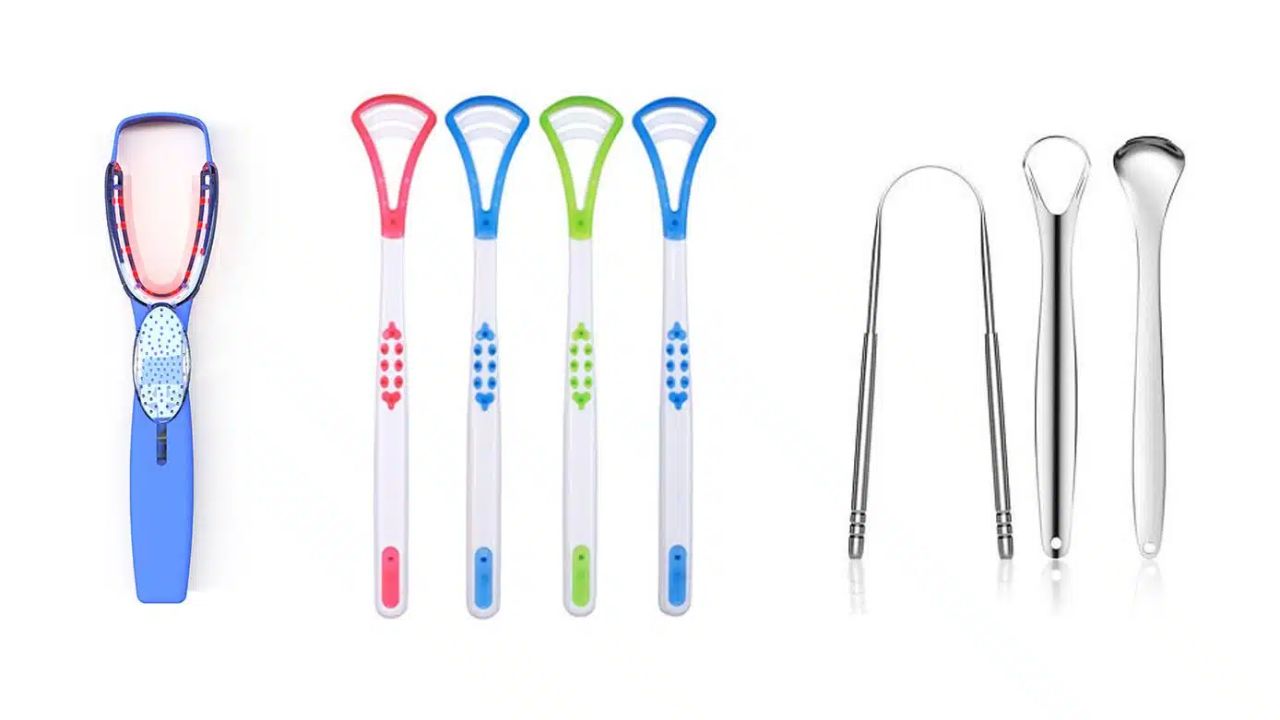
Tongue scrapers are quite simple hygiene items, but their design and material matter a lot. A custom tongue scraper manufacturer isn’t just about manufacturing. It includes branding, surface marking, packaging, and assembly into retailable sets. Under controlled systems, such as Cinoll production, the material selection, molding, printing, and packaging processes are managed. These are the steps that affect the appearance of the end product, and also how it gets to market.
Material Selection for Branding
The material used affects the appearance and branding options. Any stainless steel, copper, or plastic materials can be used. The properties of the material on each surface vary from one to another. Engraving or laser marking can be used on metal surfaces; plastic supports can have printed colors and logos. The material determines the branding techniques that can be used later in the process.
Logo Placement Options
Typically, branding begins with the logo. Manufacturers experiment with various positions, such as handle areas or strips down the middle of the scraper. For hygiene reasons, placement must not be made in areas that are in direct contact with the mouth. The uniform placement also ensures uniformity in production batches.
Laser Engraving on Metal
Stainless steel and copper scrapers commonly use laser engraving. It will not fade over time or washing. It works well with straightforward logos or text logos. The depth and clarity of engraving depend on both the thickness of the material being engraved and the machine settings.
Screen Printing on Surfaces
The use of screen printing is limited to flat or slightly curved surfaces. You can use color, but you have to exercise care to prevent color from flaking over time. The ink is to be chosen based on the material’s surface to ensure durability. Manufacturers test prints to ensure that they attain the desired quality before starting large-scale manufacturing.
Molded Branding for Plastic
For plastic tongue scrapers, branding can be added directly into the mold. This method integrates the logo into the product’s shape. It avoids surface wear because the design is integral to the structure. However, it requires precise mold design before production begins.
Packaging as Brand Identity
Packaging is often the first visual contact between product and customer. It includes boxes, sleeves, or complete kits. A custom manufacturer ensures packaging aligns with the brand tone while also protecting the scraper during transport. Packaging design must balance appearance and durability.
Color Customization in Packaging
Color selection is tied to brand identity. Packaging colors must remain consistent across batches to avoid variation in retail appearance. Printing methods such as offset printing or digital printing are used depending on order size and design complexity. Color stability is tested before final approval.
Set Packaging for Retail Use
Many brands sell tongue scrapers as part of a set rather than a single item. Sets may include multiple scrapers or additional oral care tools. Packaging design must organize these components in a way that is easy to display and store. Internal inserts are often added to keep items in place.
Instruction Card Integration
Instruction cards are included in many retail packaging designs. These cards explain how to use and clean the scraper. They also support branding by adding visual elements and product messaging. Manufacturers ensure printing quality remains consistent with the outer packaging design.
Packaging Durability Testing
Packaging performance is reviewed before mass production to confirm that it provides adequate protection during shipping and storage. Manufacturers may conduct drop, pressure, and moisture resistance tests and make adjustments where required.
Customization Workflow
Typically, the customization process follows this order: material selection, branding method, sample making, packaging design, and final approval. All steps require each other to function. Any change at one stage may impact later printing or packaging compatibility.
The Concept of Quality Control in Branding Output
The label’s correctness is determined before shipping. It includes logo position, print readability, and packaging alignment. Small mistakes can undermine brand consistency. Cinoll uses a controlled inspection process during manufacturing to reduce risks.
Coordination Between Design and Production
Design must also be compatible with production because a good-looking design on screen may not work on the actual product made out of metal or plastic. Print settings and file formats can be modified by manufacturers to ensure compatibility with production equipment.
Conclusion
Manufacturing a custom-made tongue scraper is not a simple process of making a basic oral hygiene instrument. The product’s market presentation and reception are determined by factors such as branding, printing, and packaging. Selection of materials and packaging affects the quality and usability of the final product. For instance, Cinoll is a company that combines all these factors into a process. However, coordination among design, production, and packaging should begin right from the start.